Thirty Days, Three Gates: A Winter Onboarding Framework for Environmental Subcontractors

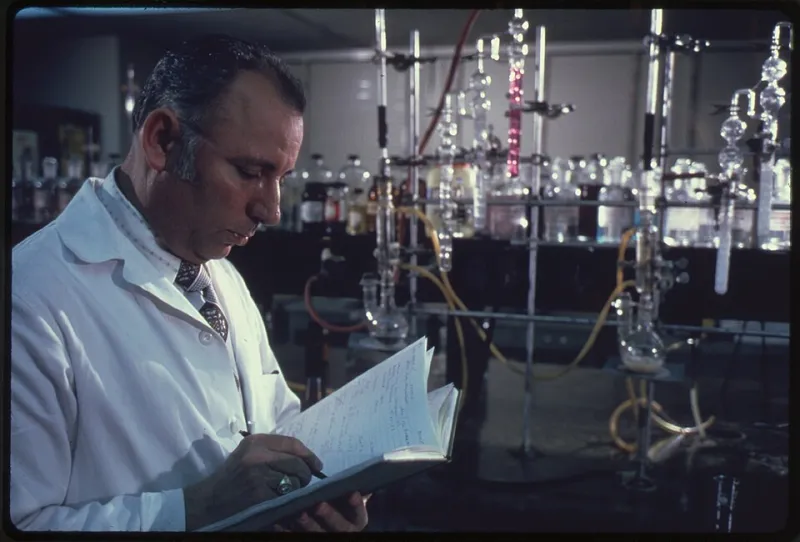
Photo: Roger Winter, CC BY-SA 3.0, via Wikimedia Commons
Prequalification is a documentary exercise. It answers whether a subcontractor is eligible to work. Onboarding is an operating exercise. It answers whether the firm can work here, with this client, under this season's conditions. For environmental primes, the distinction matters most in the first thirty days, when expectations are still being translated into daily habits.
As the 2026–27 winter field season begins, that translation window narrows. Daylight is shorter, decontamination water freezes, access roads soften and refreeze, holiday coverage thins crews, and client shutdown windows leave little room for a restart. A subcontractor who is technically qualified but poorly introduced to the site can consume more supervisory time than the work justifies.
Small primes often lack a dedicated vendor manager. The sequence below is designed for that reality: three gates, a short evidence file, and a one-page card that can travel from project to project.
Why the First Month Carries Outsized Weight
A prequalification packet is a snapshot. The first thirty days are the live test. During that period, a prime learns whether the subcontractor's safety culture survives contact with the actual site, whether field staff understand client-specific rules, and whether documentation arrives in a usable condition.
Winter amplifies the consequences of small omissions. A tailgate meeting that skips cold-stress planning is not merely incomplete; it is a leading indicator. A chain-of-custody form that arrives after the courier cutoff is not a clerical delay; it can invalidate a sample run. The goal is not to audit the subcontractor into submission. It is to transfer context early enough that the crew can act on it without a call to the prime's office.
Gate One, Days 1–10: Safety Culture in Practice
Safety orientation should be observed, not merely delivered. The prime's field lead should attend the subcontractor's first tailgate meeting rather than delegate the introduction to a document. Listen for whether the crew lead names a stop-work authority, describes winter driving and site access hazards, and explains how incident reporting works during a shift.
Ask two questions of the crew, not only the manager: What would you do if the decontamination pad froze overnight? Who do you call if a client representative asks you to change a field procedure? The answers reveal whether the subcontractor's safety system is operational or ceremonial.
For winter work, confirm that the firm has addressed equipment cold-start procedures, freeze protection for water and reagents, adequate PPE for wet and windy conditions, and a plan for shortened daylight. Evidence for this gate can be simple: the first tailgate sign-in sheet, the job hazard analysis, and a note on who holds stop-work authority.
Gate Two, Days 11–20: Client Rules and Data Access
Client-specific field rules are where otherwise capable subcontractors stumble. Site access, badge and escort requirements, photography restrictions, permit conditions, waste characterization steps, and daily reporting formats vary by facility and by client. A subcontractor who has worked for the prime on another site may still be new to this one.
Provision data and documentation access before mobilization. Test logins to the client's reporting portal, laboratory information management system, or electronic data deliverable platform. If the client requires a specific chain-of-custody form, provide a completed example rather than a blank template. If photographs are restricted, state that in writing and confirm that the crew lead has read it.
This gate is also the right time to review the first set of daily reports. Do they arrive by the agreed cutoff? Do they distinguish observed conditions from interpreted ones? Are deviations recorded? A ten-minute review of two reports is more useful than a thirty-page procedure that no one opens in the field.
Gate Three, Days 21–30: Escalation and Early-Warning Review
By the third week, the subcontractor should know the contact ladder without consulting a binder. Post it in the truck and the site trailer: who calls whom for safety events, schedule changes, client complaints, equipment failures, and after-hours emergencies. Confirm that the listed numbers reach people, not voicemail boxes.
The thirty-day review should sample evidence across the earlier gates: one tailgate record, one chain-of-custody form, two daily reports, and one invoice matched to field documentation. The purpose is not to assign blame. It is to decide whether the relationship continues as planned, needs coaching, or should pause before the winter schedule hardens.
A One-Page Card for Firms Without a Vendor Manager
A lightweight checklist can carry the sequence without creating an administrative program. Keep the card in the project binder and reuse it for each new subcontractor. Assign an owner and an evidence item to every line.
- Named stop-work authority confirmed and posted.
- First tailgate attended by prime field lead.
- Winter hazard review completed: cold stress, driving, freeze protection, daylight.
- Client access and escort rules acknowledged in writing.
- Reporting portal and data system logins tested.
- Chain-of-custody example reviewed with the crew lead.
- Photo and records restrictions confirmed.
- Escalation ladder posted in truck and trailer.
- First two daily reports reviewed against cutoff.
- Holiday coverage plan received.
- One invoice matched to field records.
- Thirty-day review completed with a continue, coach, or pause decision.
EPVA members can adapt this card into a project-specific template without adding a vendor management platform. The value lies in the review rhythm, not the software.
Red Flags That Justify a Pause
Some warning signs are worth acting on before December. Daily reports that consistently arrive after cutoff suggest a documentation system that will fail under holiday staffing. A crew lead who cannot name the client's photo restriction has not absorbed the site rules. Repeated deferrals on chain-of-custody paperwork are not a scheduling problem; they are a records problem. A decontamination plan with no freeze protection is an operational gap that will surface on the first cold morning.
A pause is not a termination. It is a controlled decision to resolve the gap before the work expands. In winter field operations, that decision is almost always cheaper than a January rework.
Onboarding is not an administrative step that ends when the badge is issued. It is a thirty-day operating document, reviewed at three gates, that tells both parties whether the relationship is ready for the season. Primes that treat it that way enter the new year with fewer surprises and a subcontractor who knows the site well enough to be trusted with it.