Six Places Chain-of-Custody Breaks Down—and the Weekly QC Habit That Prevents It
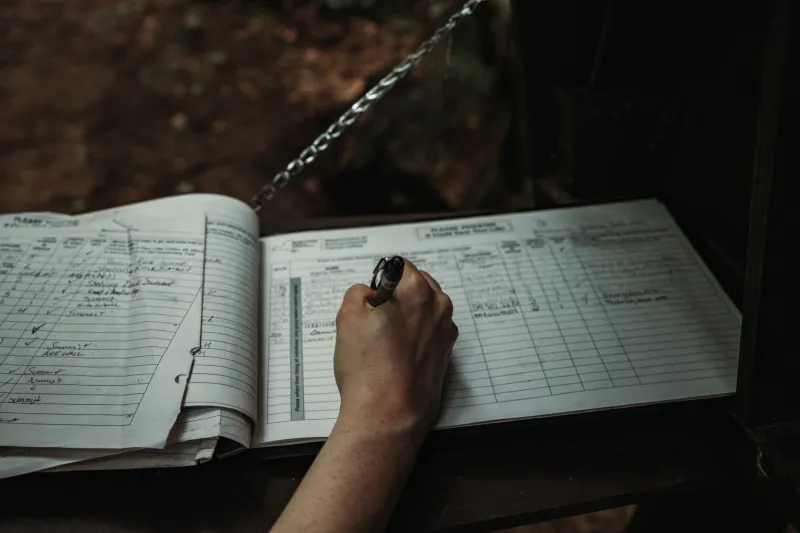
A laboratory result can be technically sound and still be challenged if the custody record cannot explain what happened between the field and the bench. That is the uncomfortable truth behind many data-quality disputes. Chain-of-custody paperwork is not an administrative afterthought. It is the narrative that allows a client, a regulator, or a court to trust the sample.
For environmental service vendors, custody gaps are a workforce and knowledge-transfer problem as much as a field problem. Experienced staff often correct small errors without thinking, which means the errors never become teachable moments. Newer staff inherit the work without inheriting the judgment. The Environmental Professionals & Vendors Association sees this pattern across member firms: the technical work is strong, but the routine that protects the record is inconsistent.
Why the Custody Record Carries So Much Weight
Environmental data supports permit decisions, remediation claims, due diligence, and enforcement responses. When a result is disputed, the first questions are usually procedural: Who collected the sample? When? Was it preserved correctly? Who held it next? If the answers depend on memory rather than documentation, the data's defensibility weakens. Clients feel that risk even when they cannot articulate it. Vendors that treat custody as a core deliverable rather than a formality earn confidence that carries into the next proposal.
Six Failure Points to Watch
1. Labels That Do Not Match the Record
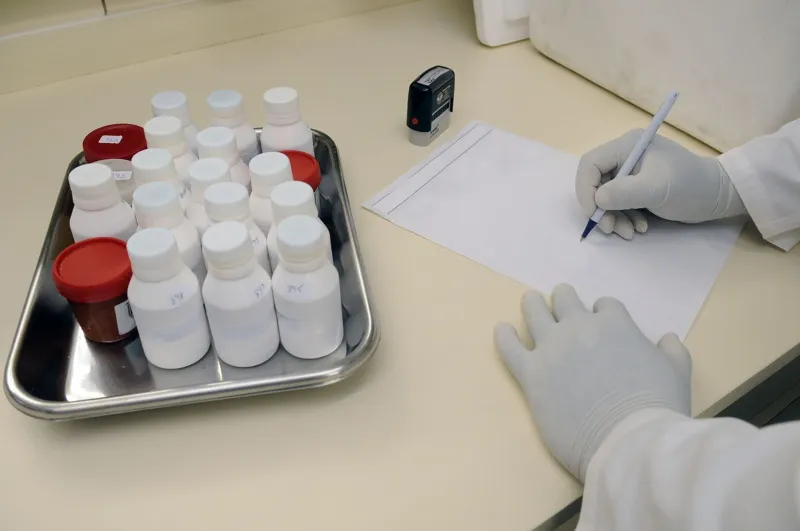
A sample label that disagrees with the field log, the custody form, or the laboratory's login record creates an immediate credibility problem. The most common causes are handwriting, duplicate sample identifiers, and last-minute relabeling. The fix is a second-person verification at the point of collection. One person writes; another reads the label against the field form before the sample is sealed.
2. Temperature and Preservation Drift
Temperature excursions are easy to miss and hard to explain later. A cooler left in the sun, insufficient ice, or a delay in placing samples on ice can compromise preservation. Field teams should check cooler conditions at the point of collection and again before handoff. A simple temperature blank and a written check time turn a guess into a record.
3. Container and Preservation Shortcuts
Using the wrong container, missing a preservative, or overfilling a volatile organic sample are quiet failures. They may not be visible on the custody form, but they affect the result. Vendors should build a container checklist into the daily tailgate briefing and assign one person to verify bottle lots against the analytical method before the crew leaves the staging area.
4. Courier Handoffs Without a Signature Trail
The custody chain weakens whenever a sample changes hands without a signature, time, and date. That includes handoffs to a courier, a subcontractor, or a laboratory driver. A signed receipt is not bureaucracy; it is the link that closes the gap. Where electronic custody systems are used, the same discipline applies to scans and timestamps.
5. Corrections Without an Audit Trail
Field forms get corrected. That is normal. What is not normal is erasing an entry, writing over a number, or adding a note without initials and a date. A correction should leave the original entry visible and explain the change. Vendors that train staff to treat corrections as part of the record, rather than a private fix, produce files that withstand scrutiny.
6. Holding Times and Transmittal Delays
A sample can be perfectly collected and still fail because it reached the laboratory too late or sat in a staging area over a weekend. Project managers should know the holding time for each method and build transmittal schedules around it. When a delay is unavoidable, the custody record should say so plainly. Silence is worse than a documented problem.
A Weekly QC Routine That Fits Field Operations
Prevention does not require a new software platform. It requires a short, repeatable review. A fifteen-minute weekly custody audit can catch most of the failure points above before they reach a client deliverable. The routine can be led by a field supervisor or project manager and should cover four checks: a sample of labels against field logs, cooler and preservation records, courier receipts against transmittal logs, and a scan for corrections that lack initials or dates.
The audit should produce a short note, not a formal report. What was reviewed, what was found, and what was corrected. Over time, those notes become a knowledge-transfer tool. They show newer staff what good looks like and give supervisors evidence that the routine is being followed. The association's workforce discussions often return to the same theme: judgment is best transferred through visible, repeated practice, not a single training session.
Vendors should also close the loop with clients. A brief note in the project file or final report confirming that custody records were reviewed adds a layer of confidence without overpromising. The point is not to claim perfection. The point is to show that the vendor has a system and that the system was used.
Chain-of-custody failures rarely announce themselves. They sit in a file until someone asks a hard question. A weekly QC habit will not eliminate every error, but it will keep small gaps from becoming the reason a client loses confidence in otherwise solid environmental data.