When the Field Calls Back: A 72-Hour Escalation Sequence for Environmental Service Firms
Field incidents do not wait for a convenient moment. They arrive during a busy mobilization, at the end of a shift, or in the middle of a client’s compliance calendar. For environmental service firms, the first 72 hours often determine whether the project recovers smoothly or drifts into disputed accounts, incomplete records, and damaged relationships. The sequence below is designed for member firms that need a repeatable response while the facts are still incomplete. It is not legal advice, and it should be adapted to contract terms, insurance requirements, and applicable federal, state, and local rules.
Hour 0–2: Stabilize, Verify, and Open the Record
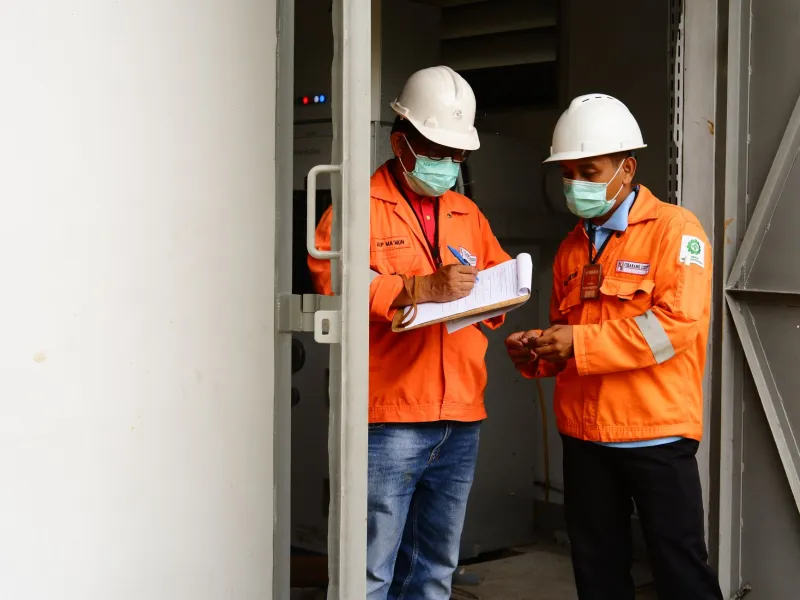
The first priority is always human safety. Stop work if conditions warrant, isolate the area, render aid, and prevent secondary harm. Once the immediate situation is stable, the field lead should contact the firm’s designated incident line—not the client, not a subcontractor, and not an informal group chat. A single internal entry point prevents contradictory accounts from spreading.
Use a short fact template: who is involved, what happened, where it occurred, when it was discovered, what immediate actions were taken, and what remains unknown. The operations lead or safety officer should be notified immediately. If the event involves a serious injury, a release, or another condition that may trigger a regulatory reporting clock, the designated compliance lead should be engaged before anyone speculates about cause or fault.
Client notification should follow the contract or an established service standard. For a significant event, a factual call within two hours is often appropriate. Tell the client what is known, what is being done, and when the next update will come. Avoid assigning blame, estimating damages, or promising outcomes that have not been verified.
Hour 2–6: Assign Roles and Notify the Right Parties
Ad hoc response creates gaps. Assign an internal incident commander, a client liaison, a documentation lead, a safety and regulatory lead, and a subcontractor coordinator. In a small firm, one person may hold two roles, but the responsibilities should still be named in the incident log.
This is also the window for deciding which external notifications are required. Consult counsel and the firm’s compliance lead on obligations tied to OSHA, EPA, state environmental agencies, DOT, or local authorities. If a regulator makes contact, route the conversation to the designated contact and provide only requested information through the proper channel. Well-intentioned field explanations can become problematic when they are informal, incomplete, or inconsistent with later records.
The subcontractor coordinator should contact every affected sub with the same message: secure the area, preserve records, direct inquiries to the designated contact, and do not post about the event on social media. Confirm that subcontractor personnel understand the instruction and document the time of contact.
Hour 6–12: Preserve the Scene and the Record
Photographs and video should be taken before conditions change. Capture wide shots, mid-range context, and close-ups with scale references. Use timestamps and geolocation where available, and do not stage or recreate the scene. Preserve field notes, chain-of-custody forms, calibration logs, equipment data, dispatch records, texts, emails, and photographs in their original form. Do not delete duplicate files or edit images.
Segregate equipment involved in the event. Identify witnesses and record their names and contact information. If the event involves a release or injury, preserve relevant PPE, samples, and monitoring data. If a regulator visits, accompany the representative, take notes, and request clarification on the scope of the visit. Do not volunteer documents beyond what is requested without internal review.
Hour 12–24: Produce the First Written Account and Brief the Client
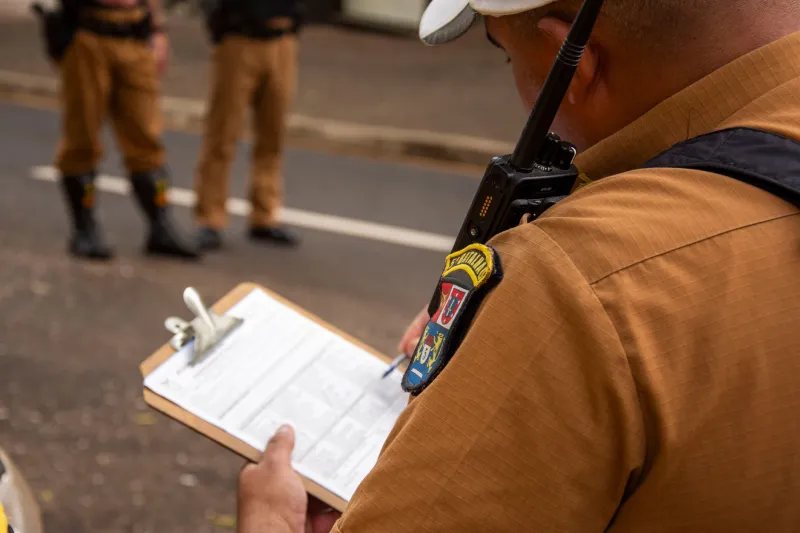
Prepare an initial incident report that separates known facts from open questions. Include a timeline, immediate actions, current containment or recovery status, notifications made, records preserved, and planned next steps. The report should be factual and concise. It is not the final root-cause analysis.
Brief the client against that written account. Confirm the current status, explain what records are being preserved, and set the next update time. Discuss stop-work impacts, schedule changes, and potential change-order needs through the project manager. Document any client instructions and confirm them in writing.
Day 2: Align the Subcontractor and Supply Chain Response
By the second day, the response should move from preservation to coordination. Confirm that subcontractors have received consistent instructions, collected their own statements, and provided current insurance certificates and contract references. Review subcontractor scope boundaries so the firm does not inadvertently accept responsibility for work outside the agreement.
Inventory affected equipment and identify replacement or rental options. Update the client on subcontractor coordination and any changes to the field schedule. If the event may affect other projects, notify the relevant account managers and confirm that they are using the same factual message.
Day 3: Begin Corrective Action and Capture Lessons
Hold a preliminary after-action review with field and office staff. Identify immediate corrective actions, assign owners, and set deadlines. The goal is not to complete a root-cause investigation in three days; it is to demonstrate control, document decisions, and prevent recurrence.
Finalize a documentation index that lists photographs, statements, logs, notifications, client communications, and regulatory correspondence. Decide which submissions are required and who will make them. Communicate with the workforce about the event and the corrective actions in a way that reinforces reporting discipline.
The strongest protection for the project and the client relationship is a single, well-maintained record. A timeline, photo log, communication log, and decision log will do more than a polished narrative written weeks later. Member firms that practice this sequence before an incident occurs are better prepared to protect people, preserve trust, and keep the next assignment within reach.