When the Schedule Outruns the Roster: A Member-to-Member Crew-Lending Framework
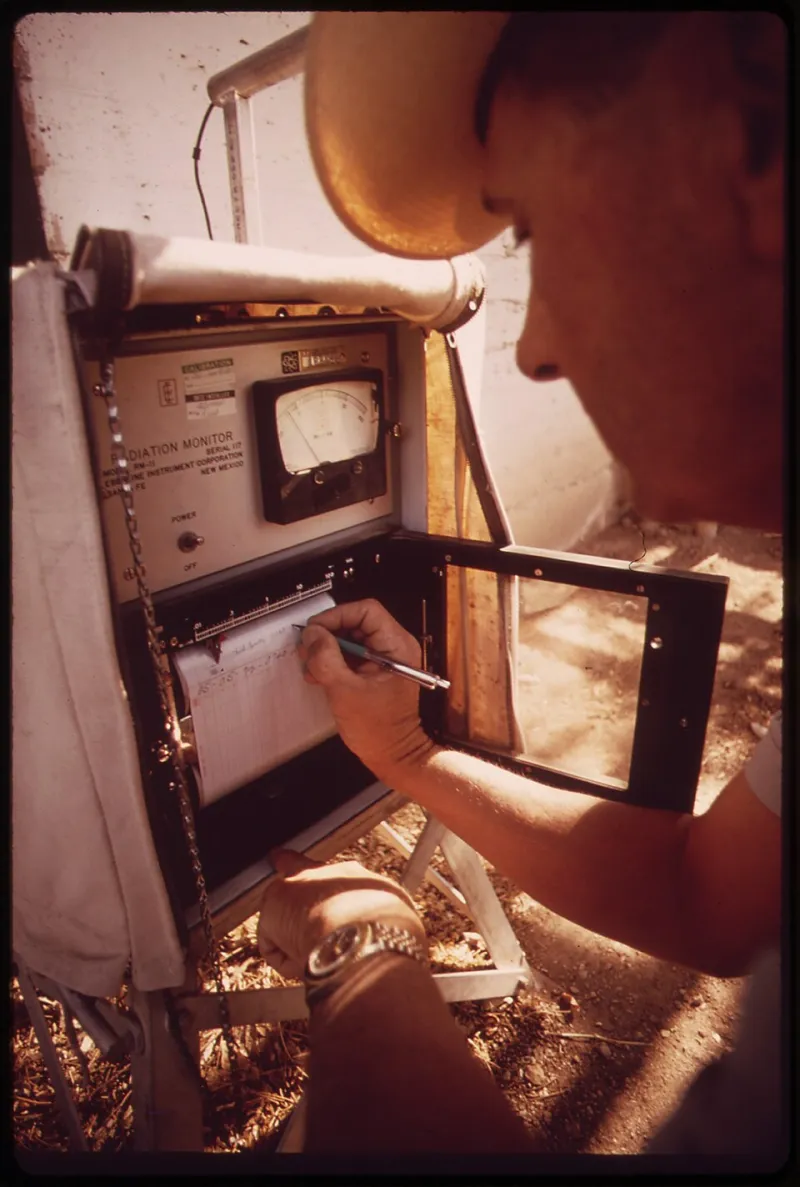
Photo: Charles O'Rear, Public domain, via Wikimedia Commons
A client calls on a Tuesday with a mobilization date three weeks out. The scope is familiar, the site is within driving distance, and the work is exactly what your firm does well. The only problem is the roster: your senior field staff are committed through the quarter, and a hiring cycle will not close in time. Declining risks the client relationship; accepting risks stretching a crew past the point where supervision, documentation, and safety hold together.
For many environmental service firms, this is not an occasional inconvenience but a recurring feature of the work. Demand arrives in clusters, qualified field personnel are scarce, and the cost of a missed mobilization is measured in more than one invoice. Member-to-member capacity sharing offers a third path, provided it is handled as a governance exercise rather than a favor between acquaintances. The Association's role in that path is deliberately limited: we connect members, maintain the tools, and stay out of the commercial terms.
Define the Trigger Before the Phone Rings
ad hoc borrowing tends to happen under pressure, which is precisely when diligence is weakest. A firm should decide in advance what conditions justify looking outside its own roster: a defined headcount gap, a certification requirement it cannot meet internally, or a duration beyond which hiring is the better answer. Writing those triggers down converts a reactive scramble into a decision that can be explained to a client, an insurer, or a project manager reviewing the file later.
The Association maintains a member directory of firms that have opted into capacity discussions. Listing is voluntary and does not constitute an endorsement; it simply shortens the search when a member needs to identify peer firms with overlapping capabilities and compatible geography.
Vet the Partner on Paper and on Site
Borrowing a crew means importing another firm's safety culture, training records, and supervision habits into a client's site. The vetting should mirror what you would apply to any subcontractor: current licenses, insurance limits and endorsements, experience modification rate, OSHA citation history, and training currency for HAZWOPER, confined space, and site-specific hazards. Equipment condition and calibration records matter as well, particularly where monitoring data will enter a regulatory deliverable.
A short site visit or video walkthrough of the partner's yard and equipment is worth the hour. It reveals more about readiness than a certificate alone. Members who have completed the Association's standing dossier process will already hold much of this information in a current, shareable format.
Draw the Line Between a Loan and a Subcontract
The distinction is not semantic. A crew loan, sometimes structured as a employee-leasing or payroll arrangement, places the workers under the host firm's direction for a defined period. A subcontract assigns a scope of work to the partner firm, which retains control of means and methods. The two carry different insurance implications, different OSHA recordkeeping responsibilities, and different exposure under the client's prime contract.
Before proceeding, review the client agreement for subcontracting approval, anti-assignment, and flow-down clauses. Many public-sector and industrial clients require written notice even when the arrangement is temporary. Silence on this point is the most common source of later friction.
Put One Supervisor in Charge
Dual supervision is the fastest route to a safety incident and a disputed invoice. The preferred model is for the lending firm to supply a working supervisor who remains accountable for the borrowed crew's conduct, while the host firm's site leadership retains overall project authority. If the host must supervise directly, the agreement should state that plainly, along with who may issue stop-work direction and how performance concerns are escalated.
Role clarity extends to daily administration: who assigns tasks, who approves hours, who conducts the tailgate briefing, and who signs the field record. Each of these should be named, not assumed.
Allocate Liability and Insurance Explicitly
Borrowed-servant doctrine varies by state and is a poor substitute for a written allocation. The agreement should identify the employer of record, confirm workers' compensation coverage, address additional-insured status, and state who reports an injury or an OSHA recordable. Indemnity language should be reviewed by counsel rather than copied from a prior arrangement.
Where the loaned crew will operate vehicles or handle client equipment, confirm auto and property coverage before mobilization. A one-page insurance verification checklist, exchanged and filed before the first shift, prevents most of the disputes that surface after an incident.
Set Commercial Terms That Survive a Delay
Rates should be built from identifiable components: straight time, overtime, per diem, mobilization, standby, and any equipment furnished. Pass-through costs such as disposal or laboratory fees should be billed at cost with documentation. Invoicing cadence, payment terms, and the process for extending duration should be agreed in advance, because the weeks that outrun the roster often stretch beyond the original estimate.
A no-hire provision is common and reasonable, but it should include a defined term and a clear buyout rather than an open-ended restriction that discourages future collaboration.
Close With a Debrief and a Record
Within two weeks of demobilization, both firms should review safety observations, cost variance, supervision effectiveness, and whether the arrangement should be repeated. A short written record kept in a shared file turns each loan into institutional knowledge rather than a story retold inconsistently.
Capacity sharing works when it is treated as a managed relationship. The Association provides the neutral ground, the member directory, and a model crew-lending addendum in the member resource library. The commercial judgment, and the client relationship, remain where they belong.